






Regular Cleanings Lead to Healthier Mouths and Bodies
June 25th, 2025
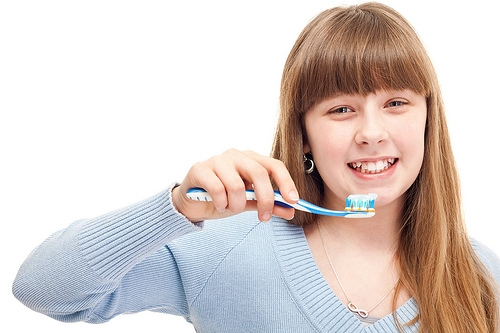
The American Dental Association and dentists everywhere, including our own Dr. Rick Johns recommend that you schedule an appointment every six months for a cleaning and checkup. Despite this universal recommendation from the experts, some people believe regular cleanings and checkups are unnecessary unless there is something wrong with your teeth—for example, a cavity or a toothache. In fact, coming in for a six-month checkup and cleaning is one of the most important things you can do for your oral health, as well as your overall health.
Why It’s Important to Visit Regularly
Numerous studies have shown that oral health is closely tied to the overall health of your whole body. In fact, having a healthy mouth can help the rest of your body stay in balance. On the other hand, an unhealthy mouth can cause all kinds of problems for you down the road.
One of the most important things we do at Rick Johns Dental when you come in for cleanings is remove plaque that has collected on your teeth and around your gums. If left untreated, plaque build-up can cause inflammation and irritation around your gums, and lead to gum diseases like gingivitis and periodontal disease.
According to the American Academy of Periodontology, periodontal disease has been linked to increased risk for serious health conditions such as heart disease, stroke, diabetes, inflammation, osteoporosis, and pregnancy complications.
Most oral health issues will begin with subtle changes before progressing into more serious conditions. If you visit us for regular checkups, we may be able to identify common indicators that could lead to larger issues down the road. If we only see you at our office every few years, it becomes more difficult to catch these conditions before they grow into bigger and more painful problems.
What happens at a dental checkup?
When you come in for your regular checkup, there are several things our dentists and hygienists may do, including:
- Take X-rays to determine the overall health of your teeth, jaw, bones, and the tissue surrounding your teeth, including a check for early signs of tooth decay, abnormal growths, cavities, and other damage that is not immediately visible
- Perform a thorough cleaning of your mouth and teeth to remove any excess plaque and tartar, then polish and floss your teeth
- Check for signs of gum disease or evidence of tooth decay
- Examine your bite, and look for broken or damaged teeth
- Identify any changes to your gums or teeth since your last visit
- Examine your head and neck for signs of oral health problems
Waiting to visit Dr. Rick Johns until you already have a problem, like a cavity, is like waiting to put gasoline in your car until after you run out and your vehicle is stalled on the side of the road. Once you have a problem, the ripple effect can cause you a lot of pain, take considerably more time, and cost a lot more money to fix than if you had come in for preventive care and cleanings every six months.
References: American Academy of Periodontology (2012). Gum Disease Links to Heart Disease and Stroke. Retrieved from http://www.perio.org/consumer/mbc.heart.htm
Does Your Filling Need Replacing?
June 18th, 2025

No matter how wonderfully something works for us, there comes a day when a replacement might be necessary. This holds true whether it’s the latest and greatest smart phone, or your perfectly prescribed eyeglasses, or your discreet and comfortable dental filling.
Wait, dental filling?
It’s true! While most dental fillings will last for many trouble-free years, there might come a time when a replacement is in order. Here are some signs to look for:
- Obvious Damage
Your teeth are under a lot of stress. The forces of biting and chewing place hundreds of pounds of pressure on teeth and jaws. And if you grind your teeth, your teeth are really getting a workout. What’s true for your teeth is true for your fillings. Over time, fillings can break down after years of this constant pressure.
If you notice a filling has become loose, or is cracked, or is pulling way from the edges of the tooth, give your dentist a call! A timely replacement can prevent decay from forming under the filling. Which leads us to . . .
- Pain in a Filled Tooth
When a filling is damaged, it no longer protects the dentin and pulp inside the tooth as effectively.
Why? Because your toothbrush can’t reach beneath your filling—but cavity-causing bacteria can. This means that cavities can develop underneath a filling that’s loose or damaged. Hidden decay will eventually progress into the pulp area of the tooth, which could lead to infection, root canal treatment, or even extraction.
If you’re suffering from pain or sensitivity in or around a tooth, it’s important to see your dentist right away to rule out hidden decay or other serious conditions.
- Cosmetic Concerns
Composite resin fillings are often used on front teeth because they can be carefully color-matched to our enamel for an almost invisible restoration. Over time, though, you might discover your composite filling has become quite a bit more visible.
Just like our enamel, composite fillings can become stained over time from foods like coffee and red wine, and from smoking. Does a discolored filling need replacement? If the filling is damaged, or if decay is present, yes. If the problem is surface cosmetic staining, Dr. Rick Johns might be able to restore the original color of your filling with polishing. If you’re concerned about the color of your filling, talk to us about all of your options.
- Your Dentist Recommends Replacement
Part of each dental examination includes checking the condition of your restorations. If we notice a loose or damaged filling, or find decay beneath a filling, it’s time for a replacement.
You have more options that ever before when it comes to dental fillings. Gold fillings and silver amalgam fillings last from ten to 15 years or even longer, and are capable of withstanding chewing pressure and filling larger cavities. Composite fillings, although they might not last quite as long, are almost unnoticeable and perfect for visible teeth. Your dentist will recommend the filling which is best suited for your needs.
If you wait to replace a cracked or compromised filling, you’re taking a chance with the health of your tooth. Dental fillings provide years of durable, comfortable wear—but if it’s time for a replacement, don’t hesitate to call our Highland, IN dental office for an appointment.
Is dairy crucial to my child's oral health?
June 11th, 2025

Healthy eating, combined with regular physical activity, plays a vital role in your child’s health and well-being. Dairy foods are naturally nutritious, packed with ten essential nutrients that help your child feel good for life. But did you know that dairy is also great for your child’s dental health? Our team at Rick Johns Dental will tell you that, in addition to providing large amounts of much-needed calcium, dairy products also help fight cavities! Dairy products have a specific role to play in dental health as they contain a unique combination of special anti-decay nutrients such as calcium, phosphorus, and the protein, casein. Cheese is especially useful, as eating a small piece of cheese after consuming sugary foods or drinks can help protect teeth and reduce the risk of tooth decay.
If you’d like to know more about the importance of dairy products in your child’s diet, or about any aspect of your child’s dental health, feel free to ask Dr. Rick Johns at your next appointment!
Healthy Summer Foods
June 4th, 2025

It’s summer—that wonderful time of year when fresh and delicious produce abounds. Dr. Rick Johns will tell you that your teeth, gums, and tissues all rely on an appropriate mix of vitamins and minerals to maintain good oral health no matter what time of year. In previous studies, nutrients in fruits and vegetables such as dietary fiber, potassium, and antioxidants have all been associated with a reduced risk for cardiovascular disease and cancers, including oral cancer.
Here are four foods we want you to enjoy this summer to ensure a healthy mouth:
Watermelons and Strawberries
Watermelons have high water content, which dilutes the affects of the sugars they contain and stimulates the flow of saliva. In addition, research shows that eating foods full of water (watermelon is 92 percent water) helps keep you satiated on fewer calories. Finally, in addition to containing skin-protecting lycopene, eating watermelon can help you stay hydrated during the summer months, which not only keeps your memory sharp and your mood stable, but also helps keep your body cool.
Strawberries are juicy and delicious, and they’re also considered a superfood. Nutrient-rich and packed with antioxidants (such as vitamin C, which can help with cancer prevention), strawberries also promote eye health, help fight bad cholesterol, and regulate blood pressure.
Apples
Did you know consuming apples can help you attain whiter, healthier teeth? It’s true. Biting and chewing an apple stimulates the production of saliva in your mouth, and in the process, lowers the levels of bacteria and other harmful acids, leading to a lower likelihood of tooth decay. Apple consumption can also boost your immune system, reducing cholesterol and helping you avoid Alzheimer’s and Parkinson's diseases. Finally, eating an apple a day has been linked to heart health, including a lower risk of death from both coronary heart disease and cardiovascular disease.
Tomatoes
Tomatoes are a delicious and healthy snack and can help you ward off cancer. The yummy red fruit contains lycopene, which helps protect your skin from sunburn. Tomatoes can also help you fight heart disease due to the niacin, folate, and vitamin B6 nutrients they contain. They’re high in crucial antioxidants, such as vitamin C and vitamin A, which work to prevent DNA damage.