






Is gingivitis preventable?
April 30th, 2014
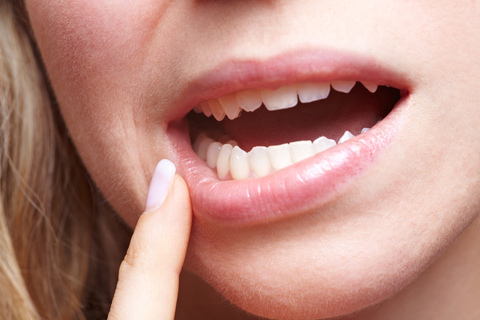
The earliest sign of gum disease is called gingivitis (sometimes called periodontal disease), and is an inflammation of the gums. If left untreated, gingivitis can lead to gum tissue loss, loss of bone that supports the teeth, and eventually tooth loss. The good news is that gingivitis is easily treatable at Rick Johns Dental. Better yet, gingivitis is nearly 100 percent preventable.
Gingivitis is usually caused when plaque and bacteria accumulate on the gums, generally due to poor oral hygiene. A patient with gingivitis will have red and puffy gums that will likely bleed when he or she brushes or flosses.
It is almost entirely within our patients’ power to prevent gingivitis by brushing and flossing on a daily basis. In addition to good oral health habits, regular visits to see Dr. Rick Johns will also help with early detection. We can often detect minor inflammation and other signs of gingivitis before it causes any discomfort or issues.
If left untreated, gingivitis will eventually progress to periodontitis, a breakdown of the tissue and bone that support the teeth. Smokers, women who are pregnant or menopausal, people with heart disease, diabetes, epilepsy or HIV infection, and people who suffer from poor nutrition are more likely to have gum disease.
To learn more about gingivitis, or if you suspect you have gingivitis, we encourage you to give us a call at our Highland, IN office today!
The Importance of Oral Cancer Screenings
April 23rd, 2014

In our continuing efforts to provide the most advanced technology and highest quality care available to our patients at Rick Johns Dental, we proudly screen our patients for oral cancer. The fact is, every hour of every day in North America, someone dies of oral cancer, which is the sixth most common diagnosed form of the disease. The five-year survival rate is only 50 percent, and oral cancer is one of the few cancers whose survival rate has not improved.
Oral cancer can occur on the lips, gums, tongue, inside lining of the cheeks, roof of the mouth, and the floor of the mouth. Symptoms of oral cancer may include a sore in the throat or mouth that bleeds easily and does not heal, a red or white patch that persists, a lump or thickening, ear pain, a neck mass, or coughing up blood. Difficulties in chewing, swallowing, or moving the tongue or jaws are often late symptoms. While there is no way to predict exactly which individuals will get oral cancer, there are some potential causes we want you to know about. In some cases, it is possible to minimize these risk factors.
- Age (most patients diagnosed with oral cancer are over the age of 40)
- Tobacco use, either from cigarettes or smokeless chewing tobacco
- Excessive alcohol consumption
- Persistent viral infections, such as HPV16
- A diet lacking or low in fruits and vegetables
Finding out you have oral cancer can be devastating news. If you are concerned that you might be at risk for developing oral cancer, talk to us about screenings and other things you can do to reduce your risk. Through a routine visual inspection, Dr. Rick Johns and our team at Rick Johns Dental can often detect premalignant abnormalities and cancer at an early stage, when treatment is both less expensive and more successful, and can potentially save your life. Ask Dr. Rick Johns and our team at Rick Johns Dental about a screening at your next appointment!
Every Day is Earth Day
April 16th, 2014

During the early days of the environmental awareness movement, those who demonstrated against pollution, toxic chemicals, and the general public health were known as hippies. The early 1970s were a time of change, and assertions that we needed to pay more attention to the Earth's atmosphere were generally dismissed. But within a couple decades, it had become clear that the previous generation was right; the citizens of the world needed to become more environmentally conscious.
Many people feel that they can't make a difference if they don't do something big. But caring for the environment doesn't have to be an all-or-nothing concept. In fact, the little things you do can add up to make a great impact, especially in our community. Here are a few ways you can help the environment on Earth Day, April 22nd and all year around.
Four Small Ways to be Environmentally Friendly
- Recycle Your Textiles. Nearly 21 million tons of textiles are added to American landfills each year, according to the Environmental Protection Agency. Donating your unwanted clothing to a secondhand store or an organization that repurposes fabric helps cut down on solid waste and conserves natural resources.
- Reduce Usage of Disposables. Plastic bottles and bags, disposable diapers and other things we can use and toss out are convenient, but they're not necessary. Simply choosing to replace one of type of disposable with a reusable product can help you cut down on waste that has a large negative impact on our environment.
- Conserve Water. If everyone in the United States turned off the water while brushing their teeth, more than 1.5 million gallons of water could be conserved. Turn the water on long enough to wet your toothbrush for brushing and rinsing, and then immediately turn the water off again.
- Turn Off the Lights. Flip the light switch to "Off" if you're going to leave a particular room for 15 minutes or more. This will conserve energy on incandescent light bulbs and cut down on cooling costs.
It's not necessary to be an activist or install solar panels all over your home to help the environment. Although you can do these things, the little everyday measures make a big difference in helping to conserve energy and the environment, while reducing your carbon footprint. Our team at Rick Johns Dental wants to remind you to celebrate Earth Day and help the environment, knowing that it will benefit your and your children's generation.
Job Shadow Reflection at Rick Johns Dental
April 14th, 2014
 Last month we were given the opportunity to host a job shadow for future dentist, Emily Koufos.
Emily graduated from MHS in 2011, and is currently in her senior year at Indiana University in Bloomington. As a soon to be college grad, she's majoring in Biology and has three minors: Chemistry, Spanish, and Psychology. Emily keeps plenty busy with an assortment of extracurriculars like being previously involved with IUSA (the university's student government) and implementing the Hoosier P.A.C.T. Active in: Hoosier dentist, and Phi Mu sorority serving as the recruitment director.
Emily decided on a career of dentistry for a few reasons. She's always loved working with her hands, doing detailed craft projects like making frames for friends, and she's also always been interested in science.To her, dentistry seemed like the perfect combination of science and art.
She also has a legacy of medicine being in her bones. Most of Emily's cousins, aunts, uncles, and father are all in some sort of health profession - with SIX being in the dentistry field! Her dad in particular is an orthodontist, so she's watched him bring so much happiness to people by improving their smiles. He's one of her role models as she waits to start dental school. She told us that she hopes to be half the doctor he is, and to someday make her patients smile as much as his do.
When Emily approached us to do a job shadow with Dr. Johns and our team here, we were thrilled. She took her DAT (Dental Admissions Testing) recently, and as a requirement of the Dental School application process, she is required to have 40 hours of shadowing in the General Dentistry field. Our office was so excited to host her for part of this requirement, and we're happy her first experience shadowing was such a positive one!
Here's what she had to say:
"The staff and Dr. Johns were so inviting and treated me like one of their own, it was a great day full of learning and laughs for me!
Dr. John's office was the first office I've been to with such great technology for charting and for x-rays! I learned a lot about how much more efficient you can be with such up-to-date technology and how helpful it can truly be when deciding what type of treatment would best suit the patient."
We're so glad Emily was able to join us and do some of her job shadowing hours here. We think she'll make for an excellent dentist, and can't wait to hear more about her journey!
