






A Brighter Smile for the New Year
December 31st, 2019

The beginning of a new year is the perfect opportunity for a fresh start for you and your smile. At Rick Johns Dental, a brighter smile is quick and easy!
Given the latest in whitening technology, whiter teeth are only an appointment away. Teeth whitening is a safe, quick, and inexpensive way to create the dream smile you’ve always desired. We can offer a safe method that corrects tooth discolorations that may have been caused by staining, aging, or chemical effects.
So, start the new year off right and get a whiter smile today! Give us a call at our convenient Highland, IN office to schedule an appointment!
Should Children Use Whitening Products?
December 24th, 2019

As adults, we often wish our teeth could be as white as they were when we were small children. Baby teeth have thinner and whiter enamel than adult teeth, and those brilliant smiles are a result! But occasionally, you may be surprised to discover some staining or discoloration on those lovely first teeth. You might be tempted to apply a whitening product to your child’s teeth, but, please—read on!
Causes of Staining
- Improper Brushing—Often, a loss of tooth whiteness means that plaque has built up on the tooth surface. Careful brushing is needed to remove bacteria and plaque, and if your child isn’t brushing at least twice a day for two minutes, discoloration can be the result.
- Medications—When given in liquid form, or when added to formula or food, iron supplements can cause dark grey staining on the teeth. Medications taken by a mother while pregnant or breast feeding, such as tetracycline, can also lead to discoloration.
- Injury—If a tooth suffers a serious injury, the tooth can darken because of changes inside the enamel.
- Health conditions—Certain health problems can cause tooth discoloration, or sometimes children are born with weaker enamel that is more likely to stain.
If you have noticed any staining on your child’s primary teeth, call our Highland, IN office. Simple stains can often be removed with better brushing techniques, and we can clean other surface stains in the office. Staining caused by an injury or a health condition is something we can discuss in detail with you. We can even use some professional whitening methods if those are indicated.
Why not just buy a home whitening kit for your child? There are several important reasons to leave these products on the shelf while your child is young.
- Whitening kits are designed for adults. They have been tested for adult teeth in adult trials. Check the box for age appropriate use. Most products are not recommended for pre-teen children.
- Remember that thinner enamel we mentioned earlier? Add to that the delicate skin of young children, and it’s sensible to be cautious about using a bleaching agent that can cause mouth and tooth sensitivity even in adults.
- There is no body of evidence available as to the short and long term effects of using these products on children.
If you are concerned about the brightness of your child’s smile, please talk to Dr. Rick Johns. We can recommend better ways to brush at home, clean your child’s teeth in the office, or suggest professional methods of whitening if there are physical or psychological reasons that it would be valuable. But while your child is young, those off-the-shelf whitening products can wait a few more years.
Oral Health Problems: An indicator of overall health problems?
December 17th, 2019
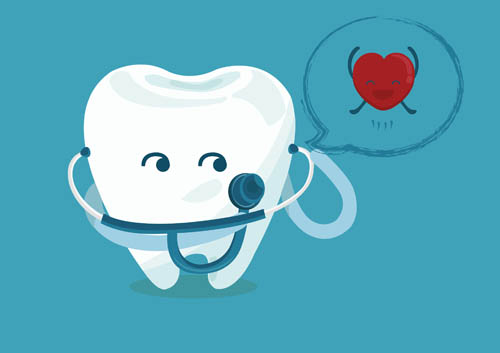
If you are like many people, you might think of your oral health as separate from your overall health. After all, most dental coverage plans are distinct from health care coverage. However, your oral health goes far beyond being able to chew nutritious and enjoyable foods. Oral health problems may be an indicator of a variety of other health problems.
Links between Oral Health and Overall Health
In the late 1980s, researchers noticed a trend among patients who had recently suffered from heart attacks. As the Journal of the American Dental Association reported, they observed that these patients were more likely to have dental caries or cavities, periodontitis or inflammation around the tooth, and other forms of gum disease. Later studies found similar results, and dentists and doctors now recognize poor oral health as a risk factor for a variety of heart conditions, such as heart attacks, atherosclerosis, and coronary heart disease.
There are even more links between oral health problems and overall health problems. Some individuals do not find out that they have Type 2 diabetes until a dentist sees that they have periodontitis. If you have diabetes, worsening periodontitis can indicate that your diabetes is not under control.
Poor oral health is also associated with rheumatoid arthritis. Furthermore, poor oral health puts you at higher risk for respiratory infections, such as pneumonia, because harmful pathogens can enter your body through your mouth.
Take Care of Your Teeth
Keeping your teeth healthy remains important, especially as you grow older. Older adults are more prone to dental caries and other oral health problems, as well as to chronic diseases. While taking care of your oral health might not prevent a specific disease, a healthy mouth is a significant factor in your overall health.
You can take care of your teeth by continuing to brush twice a day and floss every day. Avoid consuming too many sugary and starchy foods, and drink water after each meal or snack to rinse your teeth. See Dr. Rick Johns for regular checkups, and contact Rick Johns Dental if you have any concerns about your teeth or gums.
Oral Health Concerns Specific to Pregnant Women
December 10th, 2019

A lot of changes occur in a woman's body during pregnancy. Hormone fluctuations are responsible for many of those changes, including the need for additional attention to the teeth and gums. Women who are expecting are at an increased risk for oral health complications, including gingivitis and tooth decay, which can lead to irreversible damage. Fortunately, there are steps pregnant women can take to keep their teeth and gums in optimal health from the first trimester to delivery day. Today, Dr. Rick Johns and our team at Rick Johns Dental thought we would share them.
At-home dental care
At-home dental care should not vary much from what you did prior to pregnancy. The American Dental Association recommends brushing at a minimum of twice per day using fluoridated toothpaste. Follow up with floss to keep bacteria from accumulating in hard-to-reach spaces.
Dental checkups
It is safe and recommended to continue visiting Dr. Rick Johns for routine dental checkups and cleanings during pregnancy. However, it is very important to inform Dr. Rick Johns about an existing pregnancy. Special steps must be taken to protect pregnant women from certain medications or X-ray radiation that could be harmful to a growing baby. On the other hand, avoiding teeth cleanings during pregnancy can lead to serious consequences, including advanced tooth decay and infection.
Food and cravings
It is no secret that pregnancy can cause a woman to crave specific foods. Sugary treats like candy, cookies, or sodas may satisfy a sweet tooth, but they can also cause serious dental problems when consumed frequently or without brushing afterward. Trade out these treats for naturally sweet fruits when possible, and never forget to brush and floss thoroughly after eating sugar-filled foods.
Signs of complications
It is important to know and recognize the signs of oral health problems during pregnancy; an early diagnosis usually translates to an easier, less-invasive treatment. Symptoms of potential problems include gums that easily bleed or are swollen, reddened, or painful. These are symptoms of gingivitis, which can lead to a receding gum line and tooth loss if left untreated.
Call our Highland, IN office if you experience any of these symptoms or pain in a tooth, loss of a tooth, a broken tooth, or bad breath that does not go away with brushing.
