





Foods can Wreak Havoc on Your Enamel
October 17th, 2025

It’s possible to develop tooth decay even when you take great care of your teeth. Brushing and flossing may not be enough to keep your teeth healthy, depending on your diet. Cavities, discoloration, and decay are still possible when certain foods feature in your daily intake. Keep an eye out for foods that will damage your enamel and cause the very issues you’ve been trying to avoid.
What causes enamel damage?
Tooth enamel is the hard outer layer of your teeth that is made of various minerals. Tooth decay results when the acids in your food react with the minerals in your enamel. Strongly pigmented foods may also cause unsightly discoloration on the surface of your teeth. Avoid wreaking havoc on your beautiful smile by identifying the foods that can harm your enamel.
Acid
Acidic food is your teeth’s worst nightmare! This is the greatest cause of enamel damage, even if you brush and floss regularly. To avoid damaging your teeth, make sure you can determine whether a food is acidic or not.
The pH levels are a way to determine acidity on a one-to-seven scale. This defines the relative acidity or alkalinity of a food or substance. Foods with high pH levels are not as likely to harm your enamel.
It’s wise to avoid or minimize foods that are high in acids. Highly acidic food can include fruits such as lemons, grapefruit, strawberries, grapes, and apples. Moderately acid foods may surprise you; they include tomatoes, maple syrup, pickles, and honey.
Not surprisingly, eggs and dairy products such as milk and cheese contain the least amount of acid. Red wine and coffee can also discolor your enamel if they’re drunk in excessive amounts.
What can I do to prevent enamel damage?
There are plenty of ways to avoid discoloration and decay of your enamel. The best thing to do is limit the amount of high-acid foods, including sugary juices and soda, in your diet.
Another way is to brush and floss regularly, an hour after each meal. If you can’t make time to brush, an easy solution is to swish your mouth with water or mouthwash to rinse away any leftover acidic particles.
Damaged tooth enamel may be common, but is avoidable when you know which foods to stay away from and the steps to take after you do eat highly acidic foods. Take our advice and you’ll be sure to slow down any future discoloration and decay that happens in your mouth.
For more advice on protecting your enamel, give our Highland, IN a call to learn more!
Alleviating Anxiety before Your Implant Procedure
October 17th, 2025

Does the thought of getting a dental implant put knots in your stomach? There are many people who don't enjoy getting dental work done and there is a myriad of reasons why. For whatever reason you aren't at your best when you arrive at our Highland, IN office, we'd like to offer some tips that can help put you at ease for your implant procedure.
Sedation
For lengthy visits like an implant procedure, sedation dentistry may be an option for you. With sedation dentistry you are given sedation medication, usually orally with a pill or intravenously, which allows you to drift through the entire procedure without any memory of it afterward. If you decide on oral sedation, typically you take the medication about an hour before your procedure starts.
To avoid any complications, a complete medical background check is made along with a record of any allergies before any sedation is administered. Your vital signs are also monitored throughout the entire procedure.
If you decide sedation is not the right option for you, there are other techniques that you can benefit from. Some of these include:
- Communication: This may seem obvious, but communicating any fears or anxiety you may have about your procedure with us is extremely helpful. Not only does this build a relationship of trust but it allows us to try and alleviate your anxiety as much as we can.
- Herbal teas: Drink some herbal tea (like chamomile or lemon balm) before you visit the office. Many patients find this is a great help in relieving anxiety and putting them sufficiently at ease.
- Relaxing music: Bring a pair of headphones along and listen to your favorite music during treatment (preferably something low-key). Or why not catch up on your reading when you visit us — some patients like to listen to audiobooks too!
- Meditate or practice deep breathing: Meditation and deep breathing are good to practice in general, since they relax both the body and mind. They can be effective in the case of anxiety, too!
October Is Orthodontic Health Month!
October 16th, 2025
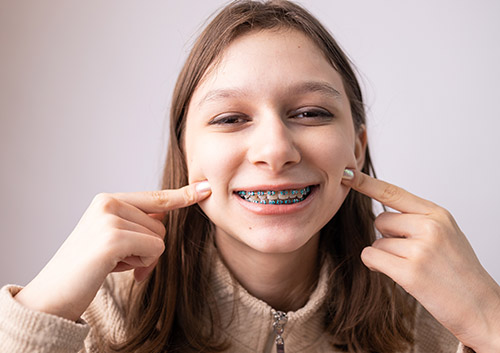
October’s here! A month when we celebrate the beauty of fall, the taste of pumpkin spice, the fun of Halloween in Highland, IN, and the healthy smiles which orthodontic treatment makes possible!
Because October is Orthodontic Health Month, and it’s a great time to talk about how your orthodontist helps you create not just a more beautiful smile, but a healthier one.
Straight, evenly spaced teeth are the visible benefit of treatment, but there are many health benefits which might not be quite as noticeable. Orthodontic treatment can:
- Help You Prevent Cavities and Gum Disease
When teeth are crowded or crooked, it’s hard for your toothbrush and floss to reach all of the plaque which builds up on and between your teeth. The bacteria in plaque create acids which start to dissolve tooth enamel. And a very small hole in the enamel surface can grow until it becomes a cavity.
Plaque and bacteria also irritate the gums. When you can’t remove plaque completely, your gums are at risk for gingivitis. This early stage of gum disease causes redness, tenderness, swelling, and bleeding. Left untreated, gingivitis can develop into more serious gum disease.
And, over time, plaque hardens and becomes tartar, which needs to be removed professionally at Rick Johns Dental.
When your teeth are straight and evenly spaced, brushing and flossing are both easier and more effective, helping you keep your teeth and gums healthy and plaque-free.
- Create a Better Bite
For a healthy bite, your teeth and jaws need to align correctly. The top teeth should slightly overlap the lower teeth, and the ridges of your upper molars should fit smoothly with the grooves of your lower molars.
Malocclusions, or bad bites, can come in many forms, including overbites, underbites, open bites, cross bites, and overjets. A bad bite is bad for your dental health. Malocclusions can cause tooth grinding, worn enamel, and even cracked teeth.
And bad bites don’t just affect your teeth. When your bite doesn’t align properly, you might suffer from problems such as headaches, jaw pain, indigestion, and sleep apnea.
Orthodontic treatment creates a healthy, symmetrical, and pain-free bite.
- Improve Your Self-Confidence
We can’t forget the invisible health benefits of orthodontic treatment! Your smile is a gift which you share with the world. But if you’re hesitating to smile because of self-consciousness about your teeth or bite, orthodontic treatment can make a world of difference.
Your orthodontist can help you achieve straighter teeth, a bite which fits together properly, and, when malocclusions affect jaw symmetry, a more balanced facial profile. If you’re concerned about the appearance of your smile, talk to Dr. Rick Johns about an orthodontic consultation. Today’s technology can even let you see what your future smile will look like!
Modern orthodontic treatment is more effective and takes less time to complete than ever before. And orthodontics offers patients of all ages more benefits than ever before:
- New types of braces are less noticeable and more comfortable than older styles. Smaller brackets, brackets which blend with tooth enamel, clear aligners, and lingual braces give you a variety of options to customize your treatment.
- Early orthodontic treatment can guide jaw growth in younger children.
- Appliances can help with jaw alignment in older children, or, for more serious malocclusions, an orthodontist can coordinate treatment with an oral surgeon.
- Treatment isn’t limited to the teen years. Adults make up a large and growing number of orthodontic patients.
If you’ve been considering orthodontic treatment, October—or any month!—is a great time to schedule a visit with an orthodontist. An orthodontic evaluation will let you know just what your orthodontist can do to help you create a beautiful and healthy smile.
Sleep Apnea and Snoring
September 24th, 2025
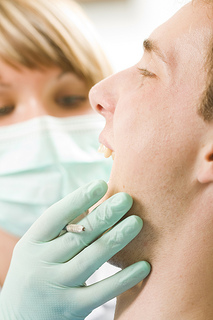
Snoring may not be something you take seriously. You might even laugh or joke about it. But the fact is, anytime you or your partner snore to the point of waking, it could be a sign of serious health problems.
Sleep Apnea and Its Effects
Sleep apnea is a sleep disorder that is potentially dangerous, and the most common symptom is loud snoring. Breathing repeatedly starts and stops throughout the night, and you wake up feeling tired. Other serious effects from sleep apnea could be potentially dangerous to your health if left unaddressed.
Besides losing a good night's sleep, you may experience difficulty concentrating. Depression, risk of heart attack, irritability, high blood pressure, memory loss, sexual dysfunction, and chances of stroke all increase when sleep apnea is not treated.
Sleep apnea occurs when the muscles in the back of the throat relax to the point of inhibiting natural breathing. The muscles used to support the soft palate relax and the airway closes, causing breathing to stop for ten to 20 seconds. This lowers the oxygen level in the brain. As the brain senses the inhibited oxygen levels it rouses the sleeper awake so the airway can reopen. Normally, the reawakening is so brief the person won't remember it.
If you think you may have sleep apnea, visit our Highland, IN office and let Dr. Rick Johns determine what treatment is needed. Without it, you could risk losing more than a restful night's sleep.
Prevention and Treatment
Anyone can develop sleep apnea, but it is more common among middle-aged adults who are overweight. Dr. Rick Johns can help you determine the cause and suggest positive treatment.
A common treatment for apnea is the placement of oral devices that are designed to help keep the airway open. By bringing the jaw forward, the device opens the airway and thereby discourages snoring. We are experienced in sleep apnea appliances, and Dr. Rick Johns can prescribe a fitted device and monitor its success with follow-up therapy.
A continuous positive airway pressure mask, known as a CPAP, is among the other treatment options. A mask is fitted over the mouth and forces oxygen through the throat while you sleep. The pressure holds the soft tissue and throat muscles open.
Our professionals at Rick Johns Dental can advise you of other ways to prevent sleep apnea, including weight loss, avoiding alcohol, or alternative sleeping positions. We can help you sleep return to easy sleep, knowing you are safer and healthier during your resting hours.