





Tips for Cold and Flu Season
November 5th, 2025

It’s peak cold and flu season, a time to be especially conscious about your health. We have some suggestions to help you navigate this contagious time of year, with bonus tips for a healthy smile.
- Wash Up!
Bacteria and viruses can live for hours and even days on non-porous surfaces like doorknobs, phones, and keyboards. That’s why it’s so important to wash your hands before touching your mouth, nose, and eyes, before brushing and flossing, and before you cook or eat. Washing with plain soap and water will eliminate most germs.
Bonus Tip: Keeping your fingers away from your mouth does more than prevent the transmission of bacteria and viruses. Fingernail biting can damage enamel. Prolonged thumb or finger sucking can affect tooth and jaw alignment. Delicate gum tissue can be injured or infected by broken or dirty fingernails. If you’d like to break harmful oral habits, talk to Dr. Rick Johns for suggestions.
- Stay Hydrated
Hydration supports healthy skin, helps regulate blood pressure and body temperature, and is vital for digestion and other bodily functions. Proper hydration is also important for a healthy immune system and healthy mucous membranes, which will help you fight off colds and flu. Talk to your doctor about your ideal amount of daily hydration, whether from water, other fluids, or water-rich foods.
Bonus Tip: We also need to be hydrated to produce healthy levels of saliva. Saliva washes away food particles and bacteria and helps neutralize enamel-eroding acidity in the mouth.
- Eat Healthy Foods
A healthy diet is crucial for a healthy immune system, with foods such as lean proteins, fruits, vegetables, whole grains, and low-fat dairy products.
Bonus Tip: A balanced diet is good for your oral health, too! We need vitamins A and C for healthy gums and oral tissues, minerals like calcium and phosphorus to keep tooth enamel strong, and dairy products enriched with vitamin D, which enables our bodies to absorb the calcium we get in our diet.
What happens if you become ill despite your precautions?
- Reduce the Chance of Infecting Others
If you’re ill, you can help stop the spread of germs by limiting contact with other people, covering your mouth and nose when you cough or sneeze, washing your hands frequently, and cleaning the common surfaces in your house which harbor germs.
Bonus Tip: Sharing isn’t caring when it comes to colds and flu. No matter how close you are to your family members or roommates, your toothbrushes shouldn’t be close at all. Let your brush air-dry in an upright position away from other brushes to avoid contamination.
- Be Choosy about OTC Medications
If you take sugary cough or cold medications, brush or rinse afterward. Sugar-free cough drops are better for your teeth than sweet lozenges which bathe your enamel in sugar as you let them dissolve.
Bonus Tip: Don’t bite into cough drops! You risk chipping or cracking a tooth.
- Keep Up with Healthy Habits
Be sure to keep hydrated, especially if you’ve been suffering from vomiting or diarrhea. Get the sleep you need to recover. Eat a well-balanced diet.
Bonus Tip: Stay on top of your dental hygiene and brush and floss as usual, with one caution. Vomiting brings up harsh stomach acids which weaken the mineral bonds keeping tooth enamel strong, so brushing right away can be abrasive. If you throw up, rinse your mouth with water and wait 30 minutes before brushing to allow your enamel to come back to full strength.
- Stay Home When You’re Sick
You’ll get better faster with proper care, which includes getting the rest you need to recover. And you won’t be sharing germs with the people around you.
Bonus Tip: If you have an appointment scheduled with your dentist, reschedule if necessary. Your dental team at Rick Johns Dental will be happy to accommodate you to prevent the spread of germs and to make your dental procedure a more comfortable one.
It’s the height of cold and flu season in Highland, IN, but you’re not alone! Talk to your doctor about immunizations and other preventative measures. If you do become ill, follow your physician’s recommendations. And if you have any dental concerns, your dental team is prepared with timely advice—at any time of year.
The Intriguing History of Halloween
October 29th, 2025

Halloween is fast approaching, and Dr. Rick Johns wanted to be sure to wish our patients a happy day, no matter how you might celebrate this holiday. The Halloween that is familiar to most people today bears little resemblance to the original Halloween; back in the "old days" it wasn't even called Halloween!
Festival of the Dead
Halloween started out as a Celtic festival of the dead that honored departed loved ones and signified a change in the cycle of the seasons. The Celtic people viewed Halloween, then called "Samhain," as a very special day – almost like our New Years day in fact, as their new calendar year began on November 1st. Samhain was the last day of autumn, so it was the time to harvest the last of the season's crops, store food away for winter, and situate livestock comfortably for the upcoming cold weather. The Celts believed that during this day, the last day of winter, the veil between this world and the spirit world is the thinnest, and that the living could communicate with departed loved ones most effectively on Samhain due to this.
Modern Halloween
Halloween as we know it today started because Christian missionaries were working to convert the Celtic people to Christianity. The Celts believed in religious concepts that were not supported by the Christian church, and these practices, which stemmed from Druidism, were perceived by the Christian church as being "devil worship" and dangerous.
When Pope Gregory the First instructed his missionaries to work at converting the Pagan people, he told them to try to incorporate some of the Pagan practices into Christian practices in a limited way. This meant that November 1st became "All Saints Day," which allowed Pagan people to still celebrate a beloved holiday without violating Christian beliefs.
Today, Halloween has evolved into a day devoted purely to fun, candy, and kids. What a change from its origins! We encourage all of our patients to have fun during the holiday, but be safe with the treats. Consider giving apples or fruit roll-ups to the kids instead of candy that is potentially damaging to the teeth and gums.
Remind kids to limit their candy and brush after eating it! Sweets can cause major tooth decay and aggrivate gum disease, so to avoid extra visits to our Highland, IN office, make your Halloween a safe one!
Amalgam Fillings vs. White Fillings
October 22nd, 2025

Many varieties of fillings are available at our Highland, IN office. Most people are familiar with traditional amalgam fillings: those big silver spots on top of teeth.
Made from a mixture of silver, tin, zinc, copper, and mercury, amalgam fillings have been used to fill cavities for more than 100 years. They offer several advantages, including:
- High durability for large cavities or cavities on molars
- Quick hardening time for areas that are difficult to keep dry during placement
- Reduced placement time for children and special-needs patients who may have a difficult time keeping still during treatment
Although dental amalgam is a safe and commonly used dental material, you might wonder about its mercury content. You should know that when it’s combined with the other metals, mercury forms a safe, stable material.
The American Dental Association, U.S. Centers for Disease Control and Prevention, U. S. Food and Drug Administration, and World Health Organization all agree that based on extensive scientific evidence, dental amalgam is a safe and effective cavity-filling material.
White Fillings
Newer, mercury-free, resin-based composite fillings (white fillings) are also available at our Highland, IN office. Composite resin fillings are made from plastic mixed with powdered glass to make them stronger.
Resin-based fillings offer several benefits for patients, including:
- They match the color of teeth
- Less tooth structure needs to be removed than with amalgam fillings
- BPA-free materials can be used
Resin-based composite fillings also have some disadvantages, including:
- Higher cost than amalgam fillings
- Inlays may take more than one visit
- Requires more time to place than amalgam fillings
There’s a lot to think about when you have to get a cavity filled. We recommend you do your homework and speak with Dr. Rick Johns before deciding what’s best for you or your family.
Foods can Wreak Havoc on Your Enamel
October 17th, 2025
It’s possible to develop tooth decay even when you take great care of your teeth. Brushing and flossing may not be enough to keep your teeth healthy, depending on your diet. Cavities, discoloration, and decay are still possible when certain foods feature in your daily intake. Keep an eye out for foods that will damage your enamel and cause the very issues you’ve been trying to avoid.
What causes enamel damage?
Tooth enamel is the hard outer layer of your teeth that is made of various minerals. Tooth decay results when the acids in your food react with the minerals in your enamel. Strongly pigmented foods may also cause unsightly discoloration on the surface of your teeth. Avoid wreaking havoc on your beautiful smile by identifying the foods that can harm your enamel.
Acid
Acidic food is your teeth’s worst nightmare! This is the greatest cause of enamel damage, even if you brush and floss regularly. To avoid damaging your teeth, make sure you can determine whether a food is acidic or not.
The pH levels are a way to determine acidity on a one-to-seven scale. This defines the relative acidity or alkalinity of a food or substance. Foods with high pH levels are not as likely to harm your enamel.
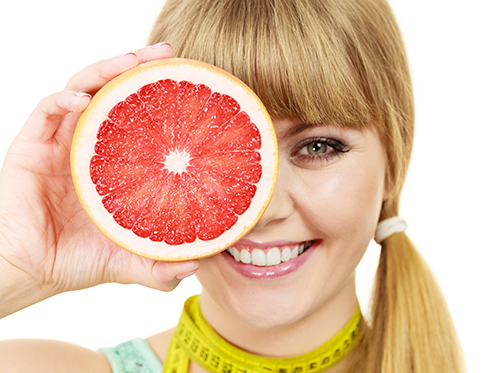
It’s wise to avoid or minimize foods that are high in acids. Highly acidic food can include fruits such as lemons, grapefruit, strawberries, grapes, and apples. Moderately acid foods may surprise you; they include tomatoes, maple syrup, pickles, and honey.
Not surprisingly, eggs and dairy products such as milk and cheese contain the least amount of acid. Red wine and coffee can also discolor your enamel if they’re drunk in excessive amounts.
What can I do to prevent enamel damage?
There are plenty of ways to avoid discoloration and decay of your enamel. The best thing to do is limit the amount of high-acid foods, including sugary juices and soda, in your diet.
Another way is to brush and floss regularly, an hour after each meal. If you can’t make time to brush, an easy solution is to swish your mouth with water or mouthwash to rinse away any leftover acidic particles.
Damaged tooth enamel may be common, but is avoidable when you know which foods to stay away from and the steps to take after you do eat highly acidic foods. Take our advice and you’ll be sure to slow down any future discoloration and decay that happens in your mouth.
For more advice on protecting your enamel, give our Highland, IN a call to learn more!