






How do I pick the right toothpaste for my needs?
March 31st, 2015
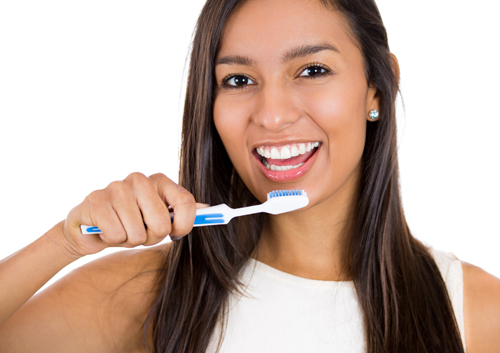
With so many toothpastes available in so many price ranges, it can be difficult to be sure you are selecting the right one for your needs. You need a product that not only protects against tooth decay, but also addresses any special concerns that Dr. Rick Johns and our team have raised. Look for the American Dental Association seal and do some research to find the toothpaste that best meets your needs.
Choose a Product Approved by the American Dental Association
The American Dental Association approves dental products such as toothbrushes, dentures, mouthwashes, dental floss, and toothpastes when they meet certain quality standards. Before products can display the seal, the American Dental Association must verify that the product does what it claims to do. Look for the American Dental Association seal on the toothpaste package before you buy it. Also, check to make sure that the toothpaste contains fluoride, which helps protect against decay.
Consider Special Needs
You may be depending on your toothpaste to perform extra tasks beyond cleaning your teeth. These are some common concerns that the right toothpaste can address.
- Bad breath (halitosis)
- Sensitive teeth
- Plaque or gingivitis
- Tartar
- Yellowing teeth
The American Dental Association’s website has a tool that lets users input their requirements and view a list of the toothpastes that carry the American Dental Association’s seal and address those particular oral health needs.
Make Your Children’s Tooth-Brushing Experience Fun
If you select toothpaste that contains fluoride and has the American Dental Association seal, most types of toothpaste will be fine for your children as long as they have no special needs. Allowing your kids to select fun toothpaste can encourage them to enjoy the brushing experience more, so that they brush more frequently and do a better job.
The following toothpaste characteristics can make brushing more fun for children.
- Fun flavors, such as bubble gum, berry, and watermelon
- Sparkles and swirls that make the toothpaste appear more attractive
- Toothpaste that comes in a pump
- Toothpaste with a container decorated with superheroes
Do You Have an Ageless Smile? Let Us Help You Keep It!
March 24th, 2015

In your golden years, you’ve become a pioneer in tooth care. Yours is probably the first generation in history that can expect to keep most of their natural teeth for a lifetime. You can probably guess the reasons: better oral care, advances in dentistry, improved nutrition, and a lower risk for diseases that could weaken teeth and gums.
As a pioneer, you’re learning with your dentists, and one thing we’ve found is that teeth change with age, just like the rest of the body. Even if your teeth can remain strong and white, here are a few things you may have to cope with:
Cavities: Tooth decay is not just for kids anymore. Seniors often develop cavities on the lower part of the tooth near the root. Thorough flossing and brushing along the gum line is the best preventive measure.
Sensitivity: Gums recede over time, and good dental habits only slow the process. Receding gums leave more of each tooth exposed, and the newly uncovered areas have less enamel. As a result, these teeth may be much more sensitive to hot and cold. If you find your teeth become more sensitive, try a toothpaste designed for sensitive teeth and be sure to tell Dr. Rick Johns about it at your next checkup.
Difficulty brushing: If you have arthritis or limited motion you may have a hard time brushing your teeth. Consider switching to an electric toothbrush. There are also assistive devices available that make it easier to grip a manual toothbrush.
Other health problems: Diabetes, heart disease, and other chronic illnesses can cause symptoms in your mouth. Be sure to let us know if you have any health conditions, or if your condition changes. We can help treat symptoms that affect your teeth and recommend ways to maintain good oral health habits as part of your overall health program.
St. Patrick's Day: Celtic pride, green shamrocks, and lucky charms!
March 17th, 2015
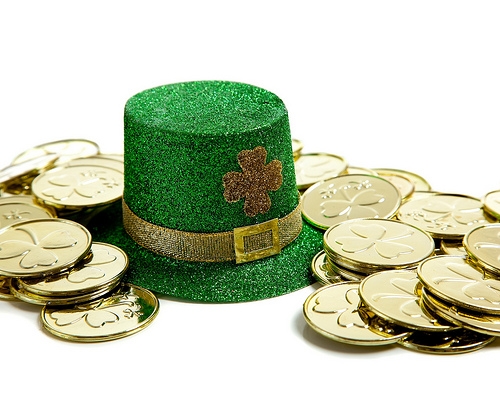
“St. Patrick's Day is an enchanted time -- a day to begin transforming winter's dreams into summer's magic.” Adrienne Cook
Lucky green shamrocks, leprechauns, and pots of gold – it must be St. Patrick’s Day! If you’re not Irish, how do you go about celebrating St. Patrick’s Day? It’s easy: You just put on one of those tall leprechauns hats, dress in green from head to toe, and wear one of those carefree pins that say “Kiss Me, I’m Irish”. On St. Patrick’s Day, everyone is Irish, and that is the universal beauty of the holiday. Celtic pride does not discriminate.
Wondering what our team at Rick Johns Dental is doing to celebrate March 17th? Well, we’ve thought about doing everything from handing out lucky gold coins (you know, the fake ones that are made of chocolate) to shamrock stickers. Maybe we’ll even give away green toothbrushes and floss! You’ll never know unless you come in to see Dr. Rick Johns !
All kidding aside, St. Patrick’s Day is an important cultural and religious holiday. There are lavish parades and church services across Ireland on March 17th. Over time, however, the holiday has developed into a day to observe Irish culture in general. In places like England and the United States, where there is a large Irish Diaspora, the holiday has greater significance than other countries. From the streets of Boston to St. Patrick’s Cathedral in New York, it is a day of celebration, and many Americans of Irish descent will cook up a traditional meal of corned beef and cabbage.
So, to all of you with Irish ancestry, and to all of you who have decided to be Irish for the day, our office wishes you a Happy St. Patrick’s Day. Good luck looking for a pot of leprechaun gold, which is said to exist at the end of the rainbow. However, keep away from those sugary Lucky Charms; sweet cereals might taste good, but your kids’ teeth might not be feeling too lucky if they eat it for breakfast every day. Have a great St. Paddy’s Day!
Does getting a dental implant hurt?
March 10th, 2015

Getting a dental implant is a surgical procedure and everyone’s pain tolerance level is different. Therefore, what one person may perceive as pain is only a slight discomfort for another person. The general consensus about pain and dental implants is that the majority of people feel discomfort, not pain.
A dental implant is a complex procedure. Let’s take a look at what may cause discomfort:
- Some people may find that having the IV put in is uncomfortable, especially if the healthcare worker has to try more than once. If you have a fear of needles or if you have anxiety about the procedure, we can prescribe a sedative, which you take before you arrive.
- Of course, during the dental implant surgery, you will be asleep. Therefore, you will not feel any pain or discomfort at all.
- When you awake from the surgery, your mouth should still be numb. In many cases, we can give you a “block” – it is basically a 24-hour pain medication, so you will not feel any pain or discomfort at all.
- We will also provide you with a prescription for a strong pain killer, and you will most likely sleep while you are taking them. If you are still in pain, do not take more than is prescribed without calling us first. You will need someone to stay with you for 24 hours after the surgery, and they will be instructed on how to give you any prescription medication. The anesthesia tends to make people a bit loopy and forgetful the first 24 hours.
- After the first 24 hours you may feel some discomfort. The most important thing you can do is take your pain medication regularly, whether you are taking the prescription medication or an over-the-counter pain reliever such as Tylenol or Advil.
- You should not need pain medication for more than the first few days.
Most people do say there mouth is sore and they have to be careful what they eat, so it’s best to stick to soft foods. If you have any additional questions, please contact our Highland, IN office and speak with Dr. Rick Johns.
