






Warning Signs of Impacted Wisdom Teeth
November 3rd, 2021
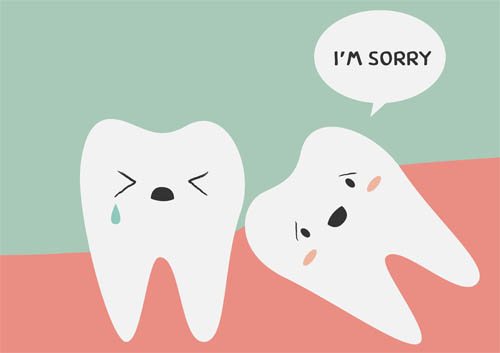
When your wisdom teeth start to emerge it can definitely be painful, but it can be even worse if your wisdom teeth become impacted. Impacted wisdom teeth are trying to erupt but are unable to do so because there is not sufficient room for them to emerge. This usually means that your wisdom teeth are painfully lodged in your jawbone.
While you may not see any real signs of the emerging wisdom teeth when they are impacted, what you can’t see can still definitely hurt you. Some of the indicators of impacted wisdom teeth are listed below.
- Jaw Pain: Pain in the back of your jaw is a common indicator of impacted wisdom teeth. The pain often concentrates in the area around your gums.
- Changes in the Mouth: You may notice some changes in your mouth when you have impacted wisdom teeth. Reddish gums, swelling in the jaw, bleeding gums, and bad breath can all be indicators that you are dealing with impacted wisdom teeth.
- Headaches: If you suddenly start having headaches, especially at the same time as some of the other issues mentioned above, they may indicate impacted wisdom teeth.
- Chewing Issues: Problems with chewing normally can indicate impacted wisdom teeth. If you are having trouble making the chewing motions because your mouth won’t quite open and close as easily as it used to, impacted wisdom teeth may be the culprit.
The Solution
If you are suffering from impacted wisdom teeth, the best solution is usually going to be removal. This is not a problem that will resolve naturally, and in fact, your pain and other symptoms may worsen as your wisdom teeth become increasingly impacted. At Rick Johns Dental, Dr. Rick Johns can review the details of wisdom teeth removal surgery with you and help you determine if this is the best solution for your situation.
When Is a “Cavity” Not a Cavity?
October 27th, 2021

Is this a trick question? After all, you probably already know quite a lot about cavities:
- It all begins when bacteria-filled plaque sticks to teeth and starts to attack enamel. How?
- Because the bacteria in plaque use the sugars and other foods we eat to produce acids.
- These acids gradually weaken teeth by dissolving minerals which help make up our enamel (a process called demineralization).
- Over time, a hole, or cavity, develops in the tooth surface.
- Left untreated, bacterial decay can spread to the inside of the tooth, creating a more serious cavity.
Some cavities aren’t discovered until you visit our Highland, IN office, but sometimes there are clear signs that there’s a problem.
- You have tooth pain or sensitivity.
- Your tooth changes color in spots where the enamel has decayed.
- You might even notice enamel loss when a cavity is large enough.
So, if you have any of these symptoms, it’s a cavity, right? It might be—but it might not. Sometimes, because the symptoms are similar, what we suspect is a cavity is really enamel erosion.
The bacteria-created acids weaken enamel. But it’s not just bacteria that subject our teeth to acids—we do it ourselves with our choice of food and drink. Acidic foods are one of the leading causes of tooth erosion.
Our normal saliva pH level is around a 7, which is neutral. Any number lower is acidic; any number higher is alkaline. Acidic foods have a low pH (the pH of lemon juice, for example, measures between 2 and 3), and can reduce our normal, neutral pH level. When saliva pH levels drop to 5.5 or lower, tooth enamel starts to demineralize, just as it does when exposed to the acids from oral bacteria.
Regularly snacking on citrus and other acidic fruits, wine, fruit juices, flavored teas, sour candies, and other acidic foods can cause enamel erosion. Especially erosive are sports drinks, energy drinks, and colas, because they contain some combination of citric acid, phosphoric acid and/or carbonation.
The symptoms of tooth erosion and damaged enamel can be very similar to those caused by cavities:
- You suffer tooth pain or sensitivity
- Your teeth appear discolored, as the enamel thins to reveal the yellowish dentin underneath
- You notice missing enamel—your teeth become rounded or have little pits known as cupping
You call Dr. Rick Johns right away if you suspect a cavity. Be just as proactive if you suspect erosion. Even though your symptoms may not have been caused by plaque and bacteria, acidic erosion from your diet leaves weakened enamel just as vulnerable to cavities and decay.
How to avoid erosion?
- Enjoy acidic foods sparingly, or as part of a meal. This helps your saliva pH stay in the neutral zone.
- Balance acidic foods with low-acid choices to help neutralize acids and restore a normal pH balance. (A good reason to pair wine or fruits with cheese.)
- Use a straw! This simple solution keeps erosive drinks from bathing your teeth in acids.
- Drink water instead of an acidic beverage, or drink it afterward to rinse your mouth. The pH of pure water? A perfect, neutral 7.
- And what about brushing right after eating or drinking something acidic? Ask Dr. Rick Johns if you should rush for your brush. We may recommend waiting 30 minutes or so after an acidic treat to give teeth time to remineralize after acids weaken them. Otherwise, brushing might cause more wear and tear on your enamel.
- Finally, while foods are often the source of acid erosion, medical conditions can cause erosion as well. Talk to us about ways to minimize erosion while addressing your medical needs.
There’s no trick to it—watching your diet, brushing and flossing as recommended, using a fluoride toothpaste, and visiting Rick Johns Dental for regular checkups will help prevent tooth erosion. We can restore eroded enamel with bonding, veneers, or crowns if the erosion is serious. Better still is to catch erosion before symptoms appear to keep your teeth their strongest for a lifetime of healthy, beautiful smiles.
Diabetes and Dental Care
October 20th, 2021

Diabetes is a disease that affects the health of the entire body, including, of course, your mouth, gums, and teeth. We are trained to look for issues that might arise in our patients with diabetes, and are eager to help you maintain your dental health. What do we consider in order to give you the best treatment?
Your Teeth
Dry mouth can be a problem for diabetic patients, whether caused by blood sugar levels or medication, and this condition can lead to tooth decay. When we produce saliva, it not only helps wash away sugar in our mouths, it also helps remove the acids sugars produce which attack our enamel and lead to cavities.
Your Gums
People with diabetes are at higher risk for gum disease. With diabetes, the body is more susceptible to infection and finds it harder to fight bacteria. Early gum disease, called gingivitis, is inflammation caused by the body’s reaction to bacteria. Periodontitis, serious gum disease, leads to infections that can cause bone and tooth loss.
Other Oral Concerns
Dry mouth can lead to mouth ulcers, oral thrush, sores, and infections. And oral infections of any kind can be slower to heal when you have diabetes. We will give careful attention to any concerns you might have for your oral health, and will work with you to prevent any future problems.
Preventive dental care is important for all our patients, and we have special suggestions for you to help maintain your dental health and reduce the possibility of dental complications. Diabetes can lead to oral problems, and oral infections can in turn cause problems with controlling blood sugar, so a healthy mouth can lead to better health in general.
- Home Care
If dry mouth is a problem, talk to us about possible causes and treatments. Hydrate throughout the day, and avoid foods or beverages that lead to dehydration. Talk to us about the best products for use at home to prevent dry mouth.
Brush and floss after meals to reduce the presence of harmful bacteria and prevent the plaque buildup that leads to gum disease.
Above all, monitor your blood sugar carefully to ensure your body is at its best when combatting infection or when healing.
- Professional Dental Care
Be sure to visit our Highland, IN office at least twice a year for a full examination and a professional cleaning. We can reduce the plaque that leads to gingivitis and more serious periodontal infection. We can monitor your oral health and recommend solutions for problems such as dry mouth. We will make your appointments based on what is best for your schedule. If any type of oral surgery is needed, we will schedule it with an understanding of the importance of healthy blood sugar levels for healing and recovery.
It’s important to make Dr. Rick Johns part of your health support system. If you have diabetes, let us know. We will work with you to monitor the well-being of your teeth and gums and to suggest ways to promote your overall oral health. Let’s work together for healthy, happy smiles!
Year-End Insurance Reminder
October 6th, 2021

Dr. Rick Johns, as well as our team at Rick Johns Dental, would like to give those patients with flex spend, health savings, or insurance benefits a friendly end of the year reminder that it’s high time to schedule your dental visits so you optimize your benefit.
Now is the time to reserve your appointment with us. Space is limited and we tend to get busy around the holidays, so don’t wait to give us a call at our convenient Highland, IN office!
