






Ease up on your gums — don’t brush your teeth too hard!
November 27th, 2018
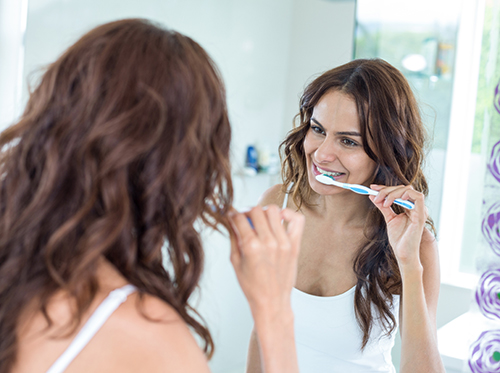
A lot of patients go at their teeth like they were sanding an old floor—that is to say, way too hard! Brushing too hard is probably the most common mistake patients make in their oral care routine, and it can be detrimental to the gums and teeth.
What can brushing too hard cause?
- Receding gums
- Bone loss around teeth
- Loss of teeth
- Tooth sensitivity, especially to hot and cold
- Worn down enamel
Brushing too hard wears away at your gums, which can lead to the neck of the teeth being exposed. This part of the tooth isn't covered by hard enamel like the rest of the tooth and hence the soft inner layer, or dentin, is exposed. Dentin is very sensitive to hot and cold and much more susceptible to bacterial decay. Once the gums recede due to improper brushing, it’s usually irreversible.
How to brush your teeth properly
You know you're supposed to brush your teeth twice a day, so why not do it right? First and foremost, you should only ever brush with a soft bristled brush—not medium or hard—unless directed otherwise by Dr. Rick Johns. Unless you have braces or specific oral health issues, brushing twice a day for two minutes is usually plenty.
The main purpose of brushing is to remove plaque from your teeth and gums. Plaque is actually soft and is a buildup of bacteria, saliva, and food debris. You really don't need to brush hard to remove it, just make sure you aim your toothbrush at the gum line (where plaque grows) and brush in small circular motions, never a back-and-forth motion.
It's also wise to hold your toothbrush gently. People tend to brush harder the tighter they hold their toothbrush.
Still have questions about proper tooth brushing technique or gum health? Ask any staff member or Dr. Rick Johns during your next visit to our Highland, IN office; we'd be happy to help!
What to do about Sensitive Teeth
November 20th, 2018

If you suffer from sensitive teeth, you already know the frustration of having a type of pain that is hard to deal with. Because tooth sensitivity is sometimes unpredictable, you can't necessarily take medication to ward off the pain like you could if you just felt a headache coming on.
However, there is still something you can do about sensitive teeth. Use the following tips to help put your sensitivity and pain problems with your teeth behind you!
Use the Right Toothbrush: Select a toothbrush made just for sensitive teeth, or the softest bristles possible. This helps you avoid putting any extra pressure on your teeth or gums.
Choose a Special Toothpaste: There are several good options for toothpastes made just for sensitive teeth today. Usually, toothpaste formulated for sensitive teeth will be fluoridated and use a non-abrasive formula. The toothpaste will help with the pain usually associated with brushing and flossing if you use it regularly.
Avoid Trigger Foods: You may have noticed certain trigger foods that cause tooth sensitivity and pain for you. Avoid these foods whenever possible, and if you absolutely must eat them, try to consume them in very small quantities. Trigger foods may include:
- Foods with high acid content for example citrus fruits
- Very hot or very cold foods
- Hard or crunchy foods
Visit Our Office
If your sensitive teeth problem is too serious to manage on your own, a visit to our Highland, IN office may be in order. There are a couple of ways Dr. Rick Johns can help:
- Fluoride Treatments: We can put a special fluoride formula on the most sensitive areas to help make your enamel stronger and to help lower pain levels.
- Sealing Exposed Roots:In some cases, your roots become exposed due to a receding gumline, which in turn causes teeth sensitivity and pain. We can apply a dental sealant that protects the exposed roots and reduces your pain dramatically.
When do children usually lose their baby teeth?
November 13th, 2018

Many parents have concerns about their children’s teeth not falling out on time. Dr. Rick Johns and our team are here to answer any questions parents may have about when children lose their teeth.
Children have 20 primary teeth that come in around age three. By about age six, these teeth will loosen and begin to fall out on their own to make room for the permanent ones. It is common for girls to lose their baby teeth earlier than boys. Most children lose their final baby tooth by age 13.
Baby teeth normally fall out in the order in which they came in. The lower center incisors are usually the first to fall, around age six or seven, followed by the upper central incisors.
If a child loses a tooth to decay or an accident, the permanent tooth may come in too early and take a crooked position due to teeth crowding. If your child loses a tooth to decay or accident, call Dr. Rick Johns to make an appointment.
Some kids can’t wait for their baby teeth to fall out, while others dread the thought of losing a tooth. When your child begins to lose teeth, you should emphasize the importance of proper dental care on a daily basis to promote a healthy mouth.
Remember to:
- Remind your child to brush his or her teeth at least twice a day and offer assistance if needed
- Help your child floss at bedtime
- Limit eating and drinking between meals and at bedtime, especially sugary treats and drinks
- Schedule regular dental visits for your child every six months.
- Ask about the use of fluoride treatments and dental sealants to help prevent tooth decay.
Call Rick Johns Dental to learn more about caring for baby teeth or to schedule an appointment at our Highland, IN office!
Periodontal disease; I have what?!
November 6th, 2018

Our team from Rick Johns Dental understands the diagnosis of periodontal disease can be scary and confusing, but the good news in most cases is that it is treatable and manageable with a little work on the part of the patient.
Periodontal disease is an infection of the gum tissue, bone, and supporting structures for the teeth. In the past it was known as pyorrhea. Diagnosis is commonly made through a combination of dental X-rays, periodontal readings (called probe depths), and visual clinical findings.
The mouth is a gateway to the rest of the body and can provide clues to the patient’s overall health. In fact, the first signs of some chronic diseases appear in the oral cavity; they can be a hint for the dentist to refer the patient to a medical doctor for a thorough exam.
If left untreated, periodontal disease can lead to premature tooth loss, sensitivity, and chronic or acute mouth pain. If you have diabetes, you are more prone to periodontal disease and can experience greater difficulty controlling your blood glucose levels. The body ends up spending so much energy fighting the infection in the mouth that it cannot achieve balance elsewhere. Studies have shown that once periodontal disease is treated, the glucose levels become more responsive to control as well.
Standard treatments can include scale and root planing, medicated mouth rinse, and in some cases antibiotic therapy or laser therapy to help control bacteria while promoting healing. Periodontal disease can range from a few localized pockets to extensive and severe infection that may require surgery.
The process of scale and root planing may entail two to four appointments for treatment, with follow-up maintenance exams every three to four months to help prevent the spread of disease. In most cases you will be numbed for comfort during the procedure. After treatment you may feel a little sore—but you are taking steps to improve your health!
Scheduling an appointment with the Highland, IN office of Dr. Rick Johns will give you an accurate diagnosis and a range of treatment options. Periodontal disease is “silent,” which means you will not always experience pain as a signal of infection. When caught early and subjected to proper oral hygiene care on a daily basis, treatments are usually successful.
