






Four Tips for Soothing a Toothache
February 28th, 2017
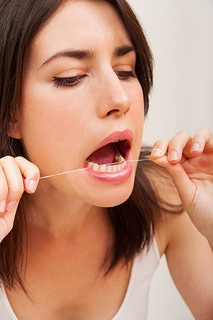
Whether it’s a dull and throbbing ache or a sharp pain, toothaches can come in many different forms. Chances are you’ve had the discomforting experience once or twice in your life. It’s the type of experience that nobody wants to have, because a toothache can be as annoying as fingernails scratching a chalkboard.
What’s a good way to describe a toothache? Let’s see … your mouth feels as if it’s being besieged by one of those Loony Tunes-style jackhammers. As fate would have it, toothaches always seem to occur over the weekend or after-office hours, leaving you to suffer and forcing you to cancel your reservation at that high-end restaurant you’ve been anticipating all week.
Not so fast!
While you’re probably going to want to skip the rib-eye steak, there are numerous tried-and-true home remedies you can use to ease the pain until you can make an appointment with our office. Here’s a look at four ways to soothe a toothache.
- Don’t underestimate the power of salt water. Rinsing your mouth with warm salt water will both soothe your toothache and disinfect your mouth. However, make sure the water is warm; cold water can further exacerbate a sensitive tooth. Follow up the saltwater rinse by swishing your mouth with hydrogen peroxide.
- Clove oil, eucalyptus oil, peppermint oil, and vanilla extract are proven to be comforting elixirs. Dip a cotton swab in one of these mixtures and apply it to your tooth and gums. These substances, which you may even have in your kitchen cupboards, are known to have pain-relieving qualities. For the best results, repeat the application throughout the day.
- Eating yogurt is good for toothaches and mouth pain. Yogurt is filled with healthy bacteria that combat pain. Afterward, place a cold compress on your jaw.
- Try flossing. Your toothache might be throbbing and severe, but there’s always a chance the pain is caused by a piece of food awkwardly lodged in your teeth.
We hope that helps! Give Rick Johns Dental a call to learn more!
Are you at risk for oral cancer?
February 21st, 2017

Nearly 40,000 people are diagnosed with oral cancer annually in the United States, with more than 8,000 dying every year from the disease. Oral cancer has a higher death rate than many other common cancers, including cervical cancer, testicular cancer, Hodgkin’s lymphoma, and thyroid or skin cancers. The high death rate results from the fact that most oral cancers go undiagnosed until the disease is well advanced and has spread to another part of the body, most often, the lymph nodes in the neck.
Dr. Rick Johns and our team want you to know that cancers of the mouth and throat, which account for about three percent of all cancers in the United States, are largely preventable. However, we want you to know about certain risk factors that affect the likelihood of developing the disease.
- Use of tobacco products including smoking cigarettes, cigars or a pipe, or chewing tobacco all elevate risk for developing oral cancer. Tobacco use especially, is a serious risk factor because it contains substances called carcinogens, which harm cells in your mouth.
- Consumption of alcohol in excess can also increase your risk. If you drink alcohol regularly, you have an elevated risk of getting oral cancer. Alcohol abuse (more than 21 drinks in one week) is the second largest risk factor for the development of oral cancer, according to the Oral Cancer Foundation.
- Excessive sun exposure. People who spend lots of time outdoors and do not use proper amounts of sunscreen or lip balm have a greater risk for developing lip cancer. Exposure to ultraviolet (UV) radiation from sunlight may also cause melanoma, the most serious type of skin cancer.
If you notice unusual lumps, bumps, or red or white patches in your mouth that don’t go away, sores that won’t seem to heal, persistent soreness, or pain or difficulty swallowing please consult Dr. Rick Johns and our team immediately.
Other factors that may influence your risk for developing oral cancer include:
- Age: Oral cancer is typically a disease that affects older people, usually because of their longer exposure to other risk factors. Most patients diagnosed with oral cancer are over the age of 40.
- Gender: Oral cancer strikes men twice as often as it does women.
- A history with viral infections, such as human papillomavirus (HPV)
- A diet low in fruits and vegetables
During your next visit, Dr. Rick Johns will examine your mouth for signs of oral cancer. If you have been putting off a visit to our Highland, IN office for your regular checkup, now is an excellent time to schedule one. Regular visits can be the first line of defense against oral cancer because we can identify early warning signs of the disease. Give us a call today!
Choose Chocolate on Valentine's Day
February 14th, 2017

From a student handing out sweets for her classmates to an older married couple exchanging boxes of candy, Valentine’s Day is the time of year when people like to show affection by gifting sugary treats to their loved ones. Whether you’re on the giving or receiving end of Valentine’s Day candy, you can celebrate the holiday in a healthier way by making dark chocolate your confection of choice.
Contribute to Your Health
According to the Cleveland Clinic, studies have shown that the cocoa beans used to make chocolate contain flavonoids, which can help protect the body against damage from various toxins. Flavonoids may also help lower blood pressure and improve blood flow to the heart and the brain. Dark chocolates typically contain a higher amount of flavonoids than other types, making them a great choice for chocolate lovers. However, you should keep in mind that many companies produce chocolate that is so heavily processed that the flavonoids are largely eliminated. Your best bet is to look for high-quality dark chocolates and cocoa powders that have undergone minimal processing.
Protect Against Cavities
If you think there’s no way candy could ever be beneficial for your teeth, think again. The Texas A&M Health Science Center has reported that the tannins present in cocoa beans may actually help prevent cavities by interfering with bacteria’s harmful interaction with teeth. Just like with flavonoids, tannins have been found to be present more often in dark chocolates, rather than milk chocolates, giving you another great reason to choose the richer, sweet varieties.
Avoid a Sticky Situation
One more benefit of choosing chocolate over other candies is that it is less likely to get stuck in the crevices and spaces between teeth. Gooey sweets like taffy can stay lodged in the mouth for longer periods of time, putting you at a greater risk for developing cavities. When you choose your chocolate, be sure to avoid types that also contain sticky ingredients like caramel or marshmallow, and instead opt for the plain varieties.
Remember that the health benefits you can receive from dark chocolate are largely based on eating the candy in moderation. With that being said, it’s easy to make this delicious and health conscious switch when you’re out shopping for your sweetheart, friends, loved ones, and yourself. Have fun satisfying your sweet tooth this year and Happy Valentine’s Day from all of us at Rick Johns Dental!
Does smoking affect oral health?
February 7th, 2017

By now, everyone knows that smoking is bad for you. But the truth is its broad-reaching health effects are not all known by everyone. This is especially true of oral health. Smoking can have serious repercussions in this regard. To give you a better idea of how smoking can affect your oral health, Dr. Rick Johns and our team have listed some issues that can arise.
Oral Cancer
Oral cancer can have steep ramifications for anyone that gets it. Surgery can be required to eliminate the cancer before it spreads to more vital parts of your body. Any type of cancer is about the worst health effect you can get, and this especially holds true to the affects that smoking has on your mouth. The type of mouth surgery required with oral cancer can leave your face deconstructed in certain areas, and it is all due to smoking or use of other tobacco products.
Tooth Discoloration and Bad Breath
At the very least, it is fair to say that as a smoker you will often have bad breath, and while you may try to cover it up with gum or mints, tooth discoloration is a whole other story. The chemicals and substances in cigarettes stick to your teeth staining them brown and yellow colors that are increasingly difficult to disguise.
Gum Disease and Loss of Bone
Another effect of smoking is the increased risk of gum disease. Your gums may start to recede, which can eventually lead to the loss of teeth. Smoking can also increase bone loss and density in your jaw which is vital to the health of your mouth. Gum disease and bone loss are two signs that smoking is definitely bad for your mouth.
When it comes to the health of your mouth, the question is not whether smoking affects your health, it's how does it affect your health and to what degree. If for no other reason than because smoking involves your mouth as its entry point, it is safe to say that it can have long-lasting and detrimental consequences on your oral health.
To learn more about smoking and your oral health, contact our Highland, IN office to schedule an appointment with Dr. Rick Johns.
