






Ways to Prevent Oral Cancer
May 31st, 2023
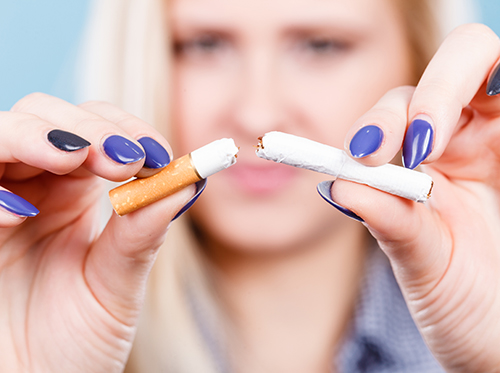
According to the Oral Cancer Foundation, this form of cancer kills roughly one person an hour, every 24 hours. This means that nearly 10,000 people will die this year from this type of cancer.
Often, the cancer is discovered late, which is the main reason the death rate is unfortunately so high. Dr. Rick Johns and our team want you to know the precautionary steps you can take to avoid oral cancer.
Here are some of the most effective methods:
- Good oral hygiene is the first step in oral cancer prevention.
- Visit our Highland, IN office every six months for a dental exam.
- Quit smoking or using chewing tobacco, if you do.
- Limit alcohol consumption.
- Maintain a healthy, well-balanced diet.
- Consume cancer-fighting foods such as vegetables, berries, garlic, green tea, etc.
- Change how you prepare foods; baked, boiled, or steamed foods are healthier than grilled or fried.
- Exercise regularly to maintain a healthy immune system.
- Limit the amount of time you spend in the sun, and be sure to use sunscreen.
- Conduct an oral self-exam each week.
We know the thought of oral cancer can be frightening, so we hope the above advice can help patients catch it early or prevent it from ever happening. If you notice a negative change in your oral health, contact our Highland, IN location right away and schedule an appointment with Dr. Rick Johns.
If you’re ever concerned or have questions about this common form of cancer, don’t hesitate to ask a member of our team.
Is a Lost Tooth a Lost Cause?
May 31st, 2023

We’re used to seeing athletes wearing mouthguards at practice or play, because dental trauma is one of the most common (and predictable) sports injuries. But it’s not just athletes who are at risk, and there are some events in our daily lives that we just can’t predict. Car accidents, falls, workplace injuries, even innocent playground structures can take their toll on our smiles.
A major chip or a crack in your tooth is upsetting enough, and should be seen by Dr. Rick Johns as soon as possible. It’s even more unnerving when a tooth is knocked out completely. The technical term for a tooth which has been knocked out is an avulsed tooth, and it is a true dental emergency.
If you should suffer a partially or completely dislodged tooth, there is a possibility that your tooth can be reimplanted—if the damage isn’t too severe and if you get to our office immediately.
How can a lost tooth be saved? This is possible because of the complex biological engineering that anchors our teeth within the jaw. The root of a tooth is surrounded by the periodontal ligament. This connective tissue attaches the tooth to the alveolar bone of the jaw. When a tooth is knocked out, this ligament splits apart, leaving some tissue on the tooth root and some within the tooth’s socket.
To successfully reimplant a tooth, the connective tissue cells around the root of the tooth need to be vital, so that they can begin to reattach to the connective tissue left in the socket. Over time, this reattachment is complete, and the tooth becomes firmly anchored to the bone again.
It’s important to protect your tooth before you see Dr. Rick Johns to make sure there will be enough healthy tissue for reattachment. First of all,
- Don’t panic! If you or a friend or family member lose a tooth, call your dentist or your emergency health care provider as soon as possible. You will get specific instructions for your specific situation.
If you are unable to reach a healthcare provider immediately, there are some general rules for taking care of an avulsed tooth:
- Find the lost tooth. Don’t touch the root—use the crown, or top part of the tooth, to pick it up. You are trying to preserve and protect the connective tissue on the root surface.
- If the tooth is dirty, gently rinse it in milk, saliva, or water. Don’t wipe it off, though. You could damage those connective tissue cells mentioned above.
- Place the tooth back in the socket, if possible. Gently hold it in place with your fingers or bite down (again, gently). You can also place the tooth in your mouth next to your cheek.
- If returning the tooth to the socket is not an option, or if you are worried about a child possibly swallowing the tooth, keep the tooth moist. Whole milk or solutions sold just for the purpose of preserving an avulsed tooth are better choices than water, which damage the tissue cells on the root. And never wrap the tooth tightly—this can also damage the connective tissue.
Above all,
- Don’t delay! The faster a tooth is reimplanted in its socket, the greater chance you have of keeping it. Really, every minute counts. Reimplantations are more successful if they take place within 30 minutes. After an hour out of the mouth, your tooth’s chances of successful reintegration are lower—but still worth pursuing!
What will Dr. Rick Johns do?
- Evaluate the avulsed tooth.
There are variables which can affect whether or not a lost tooth is a good candidate for reimplantation. Trying to replace a baby tooth, for example, could interfere with the formation of the adult tooth. An adult tooth that is broken will probably require a different type of treatment.
- Prevent infection.
You might be given antibiotics and a referral to your medical doctor for a tetanus booster if needed.
- Clean the site.
The socket will be gently irrigated to clean the area and to remove any clots that may have formed which can interfere with the tooth’s placement.
- Recommend or perform a root canal.
Nerves and blood vessels within the tooth’s pulp generally don’t recover after a serious traumatic injury, so a root canal procedure could be necessary to preserve the health of your tooth. This procedure might be done immediately, or might be recommended for a later date.
- Stabilize your tooth.
The tooth must be stabilized after being reimplanted, so Dr. Rick Johns will use a splint to anchor the tooth to the teeth next to it. The splint can be flexible or rigid, depending on the condition of the alveolar bone. Splinting generally takes from two to eight weeks, and you will be given detailed instructions for taking care of the area while you heal.
Losing a tooth is an alarming experience. But with prompt action, and a trip to our Highland, IN office, it might be possible to make that loss only a temporary one.
Caring for Your Cat’s Dental Health
May 24th, 2023

While you make sure your family is getting the best care possible, with regular dental checkups and cleanings at our Highland, IN office, there is one family member that might be hiding under the bed when it’s time for tooth care. Periodontal disease is the most common clinical condition affecting adult cats—and it is completely preventable!
Periodontal disease starts when the bacteria in your pet’s mouth form plaque. The plaque can harden into tartar, and, if plaque and tartar spread under the gum line, can be responsible for a number of serious problems. Tooth loss, tissue damage, bone loss, and infection can be the result of periodontal disease. Professional dental treatment is important if your cat is suffering from periodontal disease, and your vet can describe the options available to you.
But, like with humans, prevention is the best way to assure these problems never develop, and there are several methods for avoiding plaque and tartar build-up.
Brushing: Yes, there are toothbrushes and toothpastes specifically designed for your cat! If a toothbrush is not working for you or your pet, there are cat-sized finger brushes available as well. Daily brushing is most effective, but try for at least several times each week. The process of introducing brushing should be a slow and gentle one, and seafood and poultry flavored pastes make the process more palatable. (Human toothpaste is not good for your cat due to its abrasiveness, and swallowing the foam might pose a danger to your pet.)
Anti-plaque rinses and gels: If despite your gentle persistence your cat simply will not cooperate with brushing, there are other options! Rinses and gels containing Chlorhexidine are effective and do not usually pose a problem for pets—although they might not take to the flavor. Rinses can be squirted inside each cheek or gels can be applied to the teeth with a toothbrush or finger brush. Talk to your vet to find the safest and most effective products.
Diet: Whether they use a particular shape and texture to simulate brushing or an anti-tartar ingredient, several pet foods claim to reduce the accumulation of plaque and tartar. Your vet is the best resource for nutritional suggestions to make sure your cat’s dental and physical diet is as healthy as it can be.
Whether you try brushing, rinses, gels or a tooth-friendly diet, patience and a gentle touch are the best way to introduce dental hygiene. Talk to your vet at your cat’s next checkup, and find out what you can do to keep your feline friend healthy and happy. An ounce of prevention might be worth a pound of purr!
The Safety of Dental X-Rays
May 24th, 2023
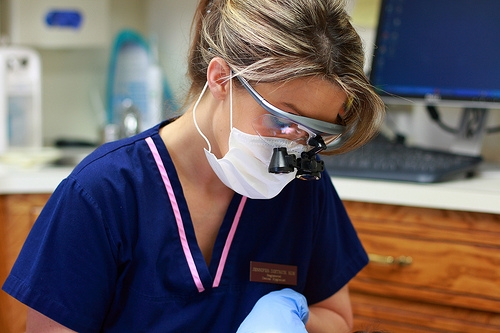
An article was released to the public stating that dental X-rays contribute to a type of brain cancer. After reading an article like this, your first thought may be to avoid dental X-rays, but you may want to hold off on that quick judgment. As with any treatment we offer at Rick Johns Dental, education is your most valuable tool in deciding what is best for you.
How often dental X-rays are taken is based on risk for infection, physical symptoms, and clinical findings. The American Dental Association (ADA) is a governing body over the dental profession. The ADA states, “ . . . healthy adults receive routine mouth X-rays every two to three years. Dental X-rays are recommended every one to two years for children and every 1.5 to three years for teens. Children often require more X-rays than adults because of their developing teeth and jaws and increased likelihood for cavities.”
A "caries risk category" often determines how often dental X-rays are taken. The most recent documented resource to determine a caries risk is Caries Management by Risk Assessment (CAMBRA). This was adopted by the ADA and is used by dental professionals giving interval recommendations for X-rays.
With knowledge of your risk for dental infection, you will be informed by Dr. Rick Johns of the interval at which dental X-rays should be taken. You can rest assured that the standards published by the ADA have been researched extensively and are there to protect your personal health and safety.
Dental X-rays are most commonly digital, which significantly reduces exposure. There is more radiation exposure from the sun or in an airplane than in a dental X-ray. It is common practice to use a lead apron with a thyroid collar for protection during X-ray exposure.
Having a cavity means having an active, potentially harmful infection. Diagnosing such infection with minimal exposure through digital dental X-rays at our Highland, IN office does more good than harm.
